

Introduction
Managing money can feel confusing when you are just starting out. Many people earn money every month but still struggle to save or control spending. This is where budgeting tips for beginners become extremely helpful. A budget is not about restricting your life. Instead, it is about understanding where your money goes and using it in a smarter way.
For beginners, budgeting may sound boring or complicated. However, the truth is very different. With the right approach, budgeting becomes a simple daily habit that brings peace of mind. It helps you pay bills on time, reduce stress, and plan for the future with confidence. Even small changes in how you handle money can create big results over time.
This guide is written in simple English and designed for beginners and intermediate readers. You do not need any financial background to understand it. Each section explains concepts step by step, using clear examples and practical advice. You will learn how to track expenses, set realistic goals, and avoid common mistakes that many people make.
If you have ever wondered why your salary disappears so quickly, or why saving feels impossible, this article is for you. By following these budgeting tips for beginners, you can build healthy money habits that last a lifetime. Let us start by understanding what budgeting really means and why it matters so much.
What Is Budgeting Tips for Beginners?
Budgeting tips for beginners refer to simple and practical methods that help new learners manage their income and expenses. Budgeting means planning how you will spend and save your money over a specific period, usually monthly. It gives your money a purpose instead of letting it disappear without control.
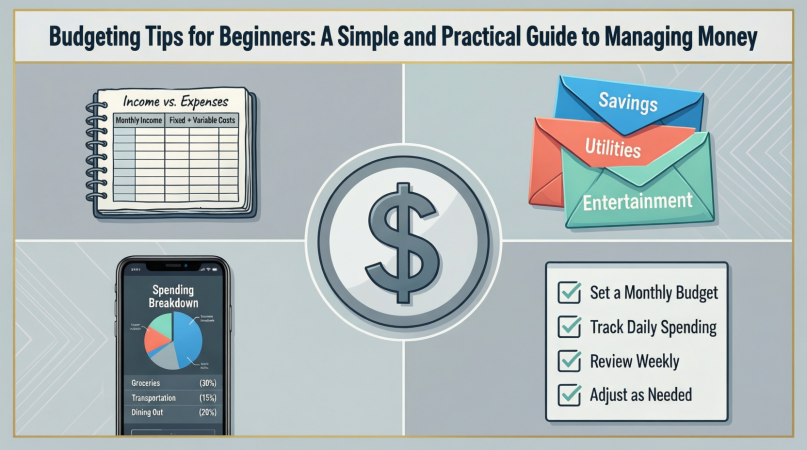
For beginners, budgeting focuses on clarity and awareness. You first identify how much money you earn. Then you list all your expenses, including fixed costs like rent and variable costs like food or entertainment. The goal is to make sure your spending does not exceed your income.
Budgeting is not about cutting all fun activities. It is about balance. You can still enjoy life while staying financially responsible. A beginner-friendly budget is flexible and realistic, allowing room for mistakes and learning.
When you follow budgeting tips for beginners, you start building a strong financial foundation. Over time, budgeting becomes a natural habit rather than a forced task. This habit helps you make better decisions, avoid unnecessary debt, and prepare for future goals.
Why Is Budgeting Tips for Beginners Important?
Budgeting tips for beginners are important because they provide direction and control over your finances. Without a budget, money problems often appear suddenly and create stress. A budget helps you stay prepared instead of reacting to emergencies.
One major reason budgeting matters is financial awareness. Many people do not realize how much they spend on small daily items. Budgeting helps you identify these hidden expenses and adjust them if needed.
Another reason is goal achievement. Whether you want to save for a phone, a vacation, or an emergency fund, budgeting makes goals achievable. It turns dreams into clear plans with timelines.
Budgeting also reduces financial anxiety. Knowing that your bills are covered and savings are growing gives peace of mind. For beginners especially, this confidence is very valuable.
Finally, budgeting teaches discipline. It encourages responsible spending and long-term thinking. These skills are useful at every stage of life, making budgeting tips for beginners an essential learning tool.
Detailed Step-by-Step Guide
Step 1: Understand Your Income
Start by calculating your total monthly income. Include your salary, freelance work, side jobs, or any other sources. Use the amount you actually receive after taxes.
Knowing your exact income helps you avoid planning based on unrealistic numbers. This step creates the foundation of your budget.
Step 2: List All Expenses
Write down everything you spend money on. Divide expenses into fixed and variable categories.
Fixed expenses include:
- Rent
- Utilities
- Internet
- Insurance
Variable expenses include:
- Groceries
- Transport
- Eating out
- Entertainment
This step helps you see where your money goes each month.
Step 3: Track Daily Spending
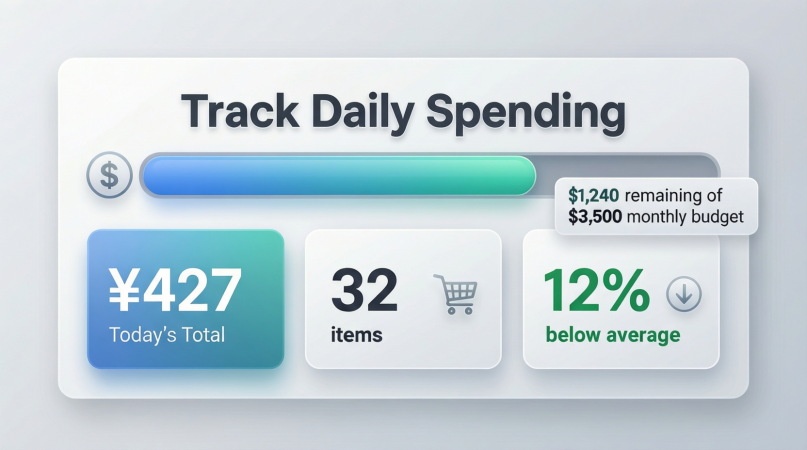
Tracking daily spending is one of the most effective budgeting tips for beginners. Write down every purchase, no matter how small.
You can use a notebook, spreadsheet, or simple app. The key is consistency. Tracking helps you stay aware and avoid overspending.
Step 4: Set Financial Goals
Set clear and realistic financial goals. These can be short-term or long-term.
Examples include:
- Saving a fixed amount each month
- Paying off debt
- Building an emergency fund
Goals give your budget a purpose and keep you motivated.
Step 5: Create a Simple Budget Plan
Now create your monthly budget. Allocate money for necessities first, then savings, and finally wants.
A simple structure works best for beginners:
- Needs
- Savings
- Wants
Adjust amounts based on your lifestyle and income.
Step 6: Review and Adjust Monthly
Budgets are not fixed forever. Review your budget at the end of each month. Identify what worked and what did not.
Adjust categories if needed. This flexibility is a key part of successful budgeting tips for beginners.
Benefits of Budgeting Tips for Beginners
- Helps control spending habits
- Reduces financial stress and anxiety
- Encourages regular saving
- Improves financial decision-making
- Prepares you for emergencies
- Builds long-term money discipline
Disadvantages / Risks
- Requires time and consistency
- May feel restrictive at first
- Needs regular review and adjustment
- Can be discouraging if goals are unrealistic
- Mistakes may happen during learning phase
Common Mistakes to Avoid
One common mistake is setting unrealistic budgets. Beginners often underestimate expenses or overestimate savings. This leads to frustration.
Another mistake is ignoring small expenses. Small daily purchases add up quickly and can break your budget.
Not reviewing your budget is also a problem. A budget needs regular updates to stay effective.
Finally, giving up too soon is a major mistake. Budgeting is a skill that improves with practice.
FAQs
What is the easiest budgeting method for beginners?
The easiest method is a simple monthly budget that tracks income and expenses. It focuses on awareness rather than strict rules.
How much should beginners save each month?
Beginners should aim to save at least ten percent of their income. Even small amounts make a difference over time.
Can budgeting tips for beginners help reduce debt?
Yes, budgeting helps you see where money goes and allows you to allocate extra funds toward debt repayment.
How long does it take to get used to budgeting?
Most beginners feel comfortable within two to three months of consistent practice.
Is budgeting only for low-income people?
No, budgeting is useful for everyone regardless of income level. It helps manage money wisely.
What if I fail to follow my budget?
Failure is part of learning. Review your mistakes, adjust your budget, and continue improving.
Expert Tips & Bonus Points
Start small and keep it simple. Complexity often leads to confusion.
Automate savings whenever possible. This removes temptation.
Reward yourself occasionally for staying on track. Motivation matters.
Learn continuously. Improving financial knowledge strengthens budgeting habits.
Conclusion
Budgeting is one of the most valuable life skills you can learn. For beginners, it may feel challenging at first, but the benefits are worth the effort. By following these budgeting tips for beginners, you gain control over your money instead of letting money control you.
A good budget helps you understand your spending patterns and make smarter choices. It allows you to save for the future while enjoying the present responsibly. Over time, budgeting becomes a habit that supports your goals and reduces financial stress.
Remember that budgeting is not about perfection. Mistakes will happen, and that is okay. What matters is consistency and willingness to improve. Each month is a new opportunity to do better.
Start with small steps and build confidence gradually. Track your expenses, set realistic goals, and review your progress regularly. With patience and practice, budgeting will become second nature.
By applying these budgeting tips for beginners, you are investing in a more secure and peaceful financial future. The sooner you start, the stronger your foundation will be.
