

Introduction
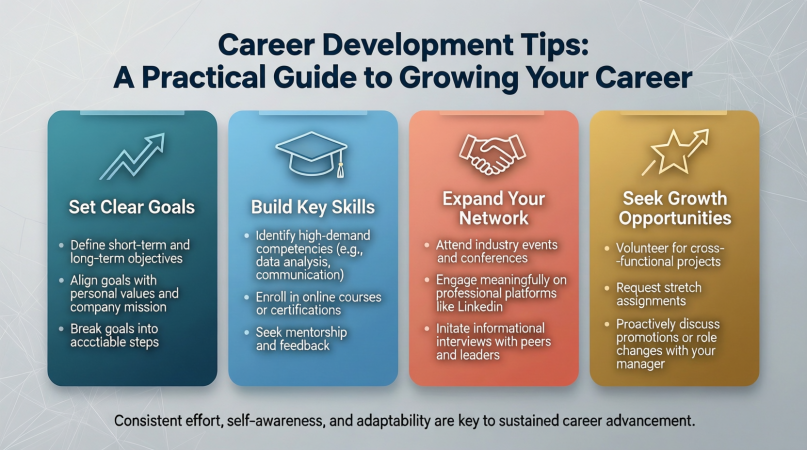
Career development tips are essential for anyone who wants to grow professionally, earn better opportunities, and feel satisfied with their work life. In today’s fast-changing job market, relying only on a degree or past experience is no longer enough. You need a clear plan, the right skills, and a positive mindset to move forward. Whether you are starting your first job or already have some experience, learning how to manage your career wisely can make a big difference.
Many people feel stuck because they do not know what steps to take next. Others work hard but do not see results because their efforts lack direction. This is where career development tips become valuable. They help you understand your strengths, set realistic goals, and take action with confidence. Instead of leaving your future to chance, you start making smart decisions.
Career growth is not about rushing or competing blindly with others. It is about continuous learning, self-improvement, and building meaningful professional relationships. Small, consistent actions can lead to big results over time. When you focus on the right strategies, you can improve your skills, increase your value, and open doors to new opportunities.
In this guide, you will learn practical career development tips explained in simple language. These tips are designed for beginners and intermediate professionals who want steady and long-term growth. By applying them step by step, you can build a career that matches your goals, values, and lifestyle.
What is Career Development Tips?
Career development tips are practical strategies and actions that help individuals plan, improve, and advance their professional lives. They focus on personal growth, skill building, and smart decision-making rather than quick success. These tips guide you on how to move from where you are now to where you want to be in your career.
Career development is not limited to promotions or higher salaries. It also includes gaining new skills, exploring better roles, improving job satisfaction, and achieving work-life balance. Career development tips provide a roadmap that helps you make informed choices at every stage of your professional journey.
These tips can apply to employees, freelancers, students, and even business owners. They encourage self-awareness, continuous learning, and adaptability. Instead of reacting to changes, you learn how to prepare for them. Over time, this approach helps you stay relevant and confident in your field.
In simple words, career development tips are tools that help you grow professionally in a structured and meaningful way.
Why is Career Development Tips Important?
Career development tips are important because they give direction to your professional life. Without a plan, many people feel lost or unmotivated. They may work hard but still struggle to move forward. Career development tips help you focus your efforts on what truly matters.
The job market is highly competitive, and skills become outdated quickly. Following the right career development tips allows you to stay updated and valuable. You learn how to improve yourself continuously instead of depending on luck or external factors.
These tips also help you make better career decisions. When you understand your goals and strengths, you are less likely to choose the wrong job or stay in an unhealthy work environment. Career development tips support long-term stability and satisfaction.
Most importantly, career development tips empower you. They help you take control of your future, build confidence, and create opportunities instead of waiting for them.
Detailed Step-by-Step Guide
Step 1: Understand Yourself Clearly
The first step in career development is self-awareness. You need to know your interests, strengths, weaknesses, and values. Ask yourself what type of work excites you and what drains your energy.
Make a list of your skills and experiences. Identify areas where you perform well and areas that need improvement. This clarity helps you choose the right career path and avoid confusion later.
Step 2: Set Clear Career Goals
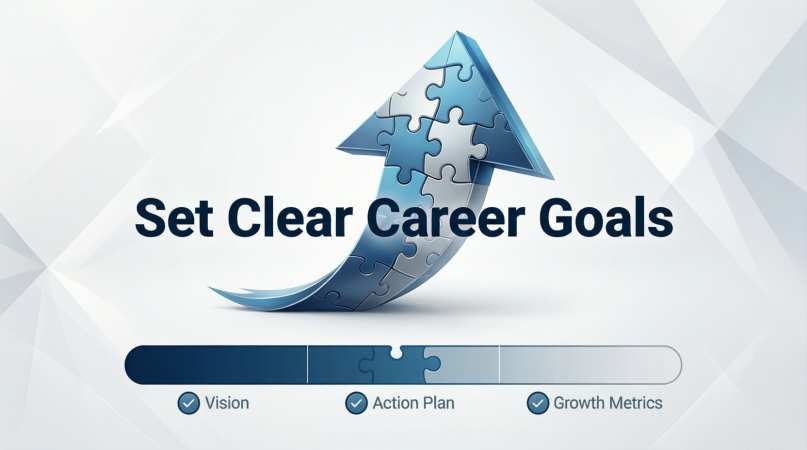
Once you understand yourself, set clear and realistic career goals. Divide them into short-term and long-term goals. Short-term goals may include learning a new skill or improving performance at work. Long-term goals could be reaching a leadership position or switching industries.
Write your goals down and review them regularly. Clear goals give direction and motivation. They also help you measure progress and stay focused.
Step 3: Improve Your Skills Continuously
Skill development is a key part of career development tips. Identify skills that are in demand in your field and start learning them. These can be technical skills, communication skills, or leadership abilities.
Learning does not always require formal education. You can learn through practice, feedback, and self-study. Continuous skill improvement increases your confidence and professional value.
Step 4: Build a Strong Work Ethic
A strong work ethic sets you apart from others. Be punctual, reliable, and committed to quality work. Take responsibility for your tasks and look for ways to add value.
Employers and clients appreciate professionals who are consistent and dependable. Over time, this reputation supports career growth and trust.
Step 5: Improve Communication Skills
Good communication is essential for career success. Learn how to express your ideas clearly, listen actively, and give respectful feedback. Strong communication improves teamwork and leadership potential.
Practice both verbal and written communication. Clear communication reduces misunderstandings and builds professional relationships.
Step 6: Build Professional Relationships
Networking is an important part of career development tips. Build genuine relationships with colleagues, mentors, and industry peers. These connections can provide guidance, support, and opportunities.
Networking is not about asking for favors. It is about learning, sharing, and helping others. Strong relationships often lead to long-term career benefits.
Step 7: Seek Feedback and Learn from It
Feedback helps you grow. Ask for constructive feedback from supervisors, peers, or mentors. Listen carefully and use it to improve your performance.
Do not take feedback personally. Treat it as a learning opportunity. Professionals who accept feedback grow faster than those who ignore it.
Step 8: Stay Flexible and Adaptable
Career paths are rarely straight. Be open to change and ready to adapt. New opportunities may appear in unexpected forms.
Flexibility allows you to learn from challenges and adjust your plans when needed. Adaptable professionals handle change with confidence.
Step 9: Manage Time and Energy Wisely
Time management is a crucial career skill. Plan your tasks, set priorities, and avoid unnecessary distractions. Managing your energy is equally important.
Take breaks, maintain balance, and avoid burnout. A healthy routine supports long-term career growth.
Step 10: Review and Update Your Career Plan
Career development is an ongoing process. Review your goals and progress regularly. Update your plan as your interests and circumstances change.
Reflection helps you stay aligned with your vision and continue growing with purpose.
Benefits of Career Development Tips
- Provide clear direction and focus
- Improve professional confidence
- Increase job satisfaction
- Enhance skill growth and learning
- Create better career opportunities
- Support long-term career stability
- Help adapt to market changes
Disadvantages / Risks
- Requires time and consistent effort
- Progress may feel slow at times
- Wrong guidance can cause confusion
- Overplanning may limit flexibility
- Fear of change may slow growth
Common Mistakes to Avoid
Many people make mistakes that slow their career growth. One common mistake is setting unclear or unrealistic goals. Without clarity, efforts become scattered and ineffective.
Another mistake is avoiding feedback. Ignoring constructive criticism prevents improvement. Some professionals also focus only on technical skills and ignore communication or teamwork.
Staying too comfortable in one role can limit growth. Career development tips encourage learning and change, not staying stuck. Avoid comparing yourself constantly with others, as it reduces confidence.
Lastly, neglecting work-life balance can lead to burnout. Career success should support overall well-being, not harm it.
FAQs
What are career development tips?
Career development tips are practical strategies that help individuals plan, improve, and grow their professional lives. They focus on skills, mindset, and long-term growth.
Who should follow career development tips?
Anyone who wants professional growth can benefit. Students, beginners, and experienced professionals can all apply these tips at different stages.
How often should I review my career goals?
It is best to review your career goals every six months or when major changes occur. Regular review keeps your plan relevant.
Can career development tips help with career change?
Yes, career development tips are very helpful for career changes. They help identify transferable skills and guide smooth transitions.
Are career development tips only for corporate jobs?
No, these tips apply to freelancers, entrepreneurs, and creative professionals as well. Career development is universal.
How long does career development take?
Career development is a long-term process. Small improvements over time lead to meaningful results rather than instant success.
Expert Tips & Bonus Points
Focus on learning rather than perfection. Progress matters more than flawless results. Keep a growth mindset and stay curious about your field.
Find a mentor who has experience and insight. Learning from others saves time and reduces mistakes. Document your achievements to track progress and build confidence.
Stay updated with industry trends and remain open to new ideas. Lastly, believe in your potential and stay patient with your journey.
Conclusion
Career development tips provide a strong foundation for building a meaningful and successful professional life. Instead of leaving your future to chance, these tips help you take control with clarity and confidence. Career growth is not about rushing or following others blindly. It is about understanding yourself, setting clear goals, and improving consistently.
By applying the right career development tips, you learn how to adapt to change, develop valuable skills, and make smart decisions. Each step you take, no matter how small, contributes to long-term success. The journey may include challenges, but those challenges help you grow stronger and wiser.
Remember that career development is a continuous process. Your goals, interests, and opportunities may change over time. Regular reflection and flexibility allow you to stay aligned with your purpose. Focus on learning, building relationships, and maintaining balance.
When you commit to your growth, opportunities naturally follow. Use these career development tips as a guide, stay patient with yourself, and keep moving forward. A fulfilling and successful career is built through consistent effort, self-belief, and smart planning
