

Introduction
Saving money is a goal that almost everyone shares, yet many people struggle to do it consistently. Learning how to save money effectively is not about being rich or cutting all enjoyment from life. Instead, it is about building smart habits that help you control your income, expenses, and future goals.
In today’s fast-changing world, expenses are rising fast. From food and utilities to education and healthcare, everything costs more than before. That is why understanding how to save money effectively has become more important than ever. Even small savings, when done regularly, can create financial security over time.
Many beginners think saving money is complicated or requires expert knowledge. The truth is much simpler. With the right mindset, clear planning, and consistent action, anyone can start saving today. You do not need a high salary or advanced tools. What you need is discipline, awareness, and a step-by-step approach.
This guide is written in simple English for beginners and intermediate readers. It explains what saving money really means, why it matters, and how you can apply proven methods in daily life. By the end, you will feel confident about managing your finances better and building a stable future without stress.
What Is How to Save Money Effectively?
How to save money effectively means managing your income in a smart way so that you spend less than you earn and keep money aside for future needs. It is not just about cutting expenses. It is about making intentional choices with your money.
Effective saving involves planning, tracking expenses, and setting clear financial goals. It also includes understanding your spending habits and improving them over time. When you save effectively, your money works for you instead of disappearing without control.
Saving money effectively is a long-term habit, not a short-term action. It requires patience, consistency, and realistic expectations. Anyone can learn this skill with practice and commitment.
Why Is How to Save Money Effectively Important?
Saving money effectively plays a key role in financial stability. Without savings, even a small emergency can cause stress and debt.
Here are some important reasons why saving matters:
- It helps you handle emergencies without borrowing
- It reduces financial stress and anxiety
- It allows you to plan for future goals
- It creates independence and confidence
- It protects you from unexpected income loss
When you know how to save money effectively, you gain control over your financial life. You stop living paycheck to paycheck and start building security for yourself and your family.
Detailed Step-by-Step Guide
Step 1: Understand Your Income Clearly
The first step is knowing exactly how much money you earn. This includes salary, side income, or any other sources.
Write down your total monthly income. Be honest and accurate. Without knowing this number, saving becomes guesswork.
Step 2: Track Your Expenses
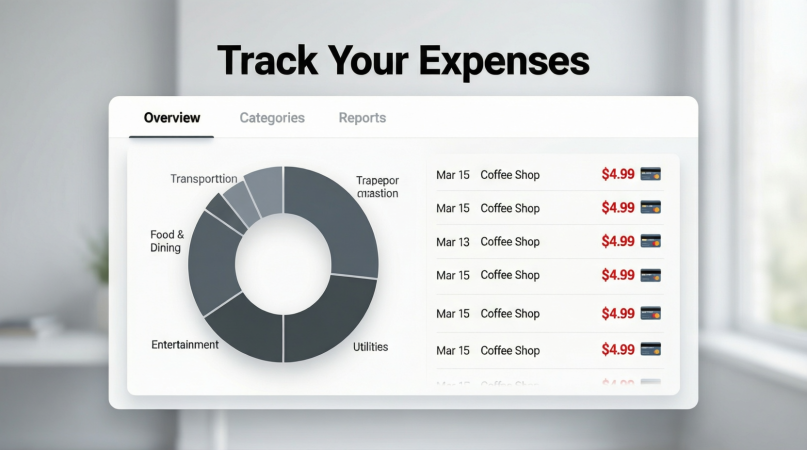
Tracking expenses helps you see where your money goes. Many people are surprised by how much they spend on small daily items.
Start by listing all expenses:
- Rent or housing
- Food and groceries
- Utilities
- Transportation
- Entertainment
- Subscriptions
Tracking creates awareness, which is essential for saving.
Step 3: Create a Simple Budget
A budget is a plan for your money. It tells your money where to go instead of wondering where it went.
Use a simple budget structure:
- Needs: 50 percent
- Wants: 30 percent
- Savings: 20 percent
Adjust these numbers based on your situation. The key is consistency.
Step 4: Set Clear Savings Goals
Saving without goals feels meaningless. Clear goals give motivation and direction.
Examples of savings goals include:
- Emergency fund
- Education
- Travel
- Home purchase
- Retirement
Write down your goals and assign a timeline to each.
Step 5: Pay Yourself First
One of the best ways to save is to treat savings as a priority. Save before spending.
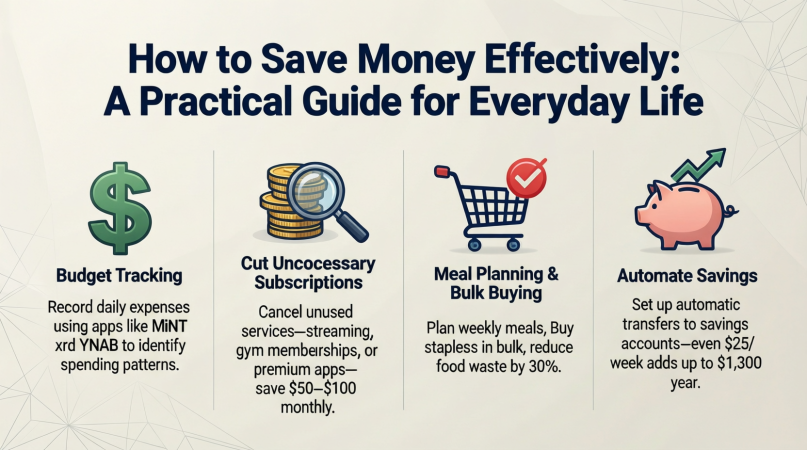
As soon as you receive income, transfer a fixed amount to savings. Even a small amount matters when done regularly.
Step 6: Reduce Unnecessary Spending
Look at your expense list and identify areas to cut.
Common areas include:
- Eating out frequently
- Unused subscriptions
- Impulse shopping
- Expensive habits
Reducing does not mean removing joy. It means spending wisely.
Step 7: Build an Emergency Fund
An emergency fund protects you from unexpected expenses like medical bills or job loss.
Aim to save at least three to six months of basic expenses. Start small and build slowly.
Step 8: Use Cash or Controlled Payments
Using cash or limited cards can help control spending. When money feels real, you spend less.
Set spending limits and avoid unnecessary credit use.
Step 9: Review and Adjust Regularly
Life changes, and so should your savings plan. Review your budget monthly.
Adjust goals, expenses, and savings amounts as needed. Flexibility keeps you on track.
Step 10: Stay Consistent and Patient
Saving money effectively is a habit that grows with time. Results may not be immediate, but consistency brings success.
Celebrate small wins and stay focused on long-term benefits.
Benefits of How to Save Money Effectively
- Reduces financial stress
- Builds long-term security
- Improves money discipline
- Supports future goals
- Encourages smarter spending
- Creates peace of mind
Disadvantages / Risks
- Requires discipline and patience
- May feel restrictive at first
- Needs regular monitoring
- Progress can be slow initially
These challenges are manageable with the right mindset.
Common Mistakes to Avoid
Many people fail to save due to common mistakes.
Avoid these errors:
- Not tracking expenses
- Setting unrealistic goals
- Ignoring small expenses
- Giving up too early
- Saving without a plan
Learning from mistakes improves results.
FAQs
How much should I save each month?
A common recommendation is saving at least 20 percent of income. However, any amount is better than nothing. Start small and increase gradually.
Is saving possible with a low income?
Yes, saving is possible at any income level. Focus on controlling expenses and building habits rather than amounts.
How long does it take to see results?
Results vary based on income and consistency. Small improvements can be seen within a few months of disciplined saving.
Should I save or pay off debt first?
Ideally, do both. Build a small emergency fund while paying off high-interest debt.
Can saving money affect lifestyle negatively?
Initially, it may require adjustments. Over time, it improves lifestyle by reducing stress and increasing freedom.
What is the best way to stay motivated?
Clear goals, progress tracking, and reminding yourself why you started help maintain motivation.
Expert Tips & Bonus Points
- Automate savings to avoid forgetting
- Avoid lifestyle inflation when income increases
- Learn basic financial education
- Keep savings separate from spending accounts
- Review goals regularly
- Focus on progress, not perfection
Experts agree that simple habits bring powerful results over time.
Conclusion
Learning how to save money effectively is one of the most valuable life skills you can develop. It does not require advanced knowledge or high income. It requires awareness, planning, and consistency. When you understand your income, control your expenses, and set clear goals, saving becomes easier and more natural.
Saving money effectively improves your confidence and reduces financial stress. It prepares you for emergencies and helps you achieve long-term dreams. Even small steps, when repeated daily, create powerful change over time.
The key is to start today. Do not wait for the perfect moment or perfect income. Begin with what you have and improve gradually. Stay patient, stay disciplined, and trust the process. Over time, you will see that saving money effectively is not a burden but a path to freedom, stability, and peace of mind.
