

Introduction
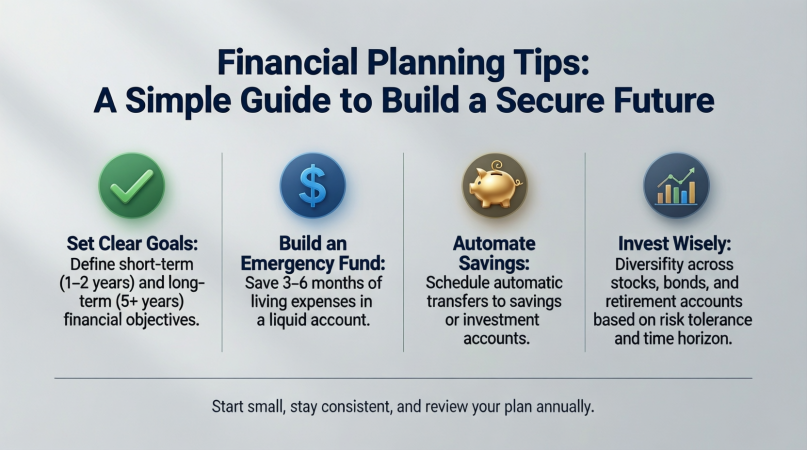
Financial planning tips are essential for anyone who wants to feel confident about money and the future. Many people earn well but still struggle because they do not plan properly. Without a clear direction, money can disappear quickly, leaving stress and uncertainty behind. That is why learning financial planning tips early can make a huge difference in life.
Financial planning is not only for rich people or experts. It is for students, workers, families, and business owners alike. With the right approach, anyone can control spending, save more, and prepare for unexpected events. These financial planning tips help you make smart decisions, even with a limited income.
In simple terms, planning gives your money a purpose. It helps you decide where your income should go instead of wondering where it went. When you follow proven financial planning tips, you slowly build habits that support long term stability and peace of mind.
This guide is written in simple English for beginners and intermediate readers. It explains financial planning step by step without confusing terms. You will learn how to set goals, manage expenses, reduce risks, and grow wealth over time. By the end, you will understand how financial planning tips can help you live with less stress and more confidence, no matter your current financial situation.
What Is Financial Planning?
Financial planning is the process of managing your money in a smart and organized way. It involves understanding your income, expenses, savings, investments, and future goals. With proper planning, you decide how to use your money today while preparing for tomorrow.
At its core, financial planning focuses on balance. You spend on your needs, enjoy some wants, and still save for the future. Financial planning tips guide you to divide your income wisely instead of spending everything at once.
Financial planning also includes preparing for risks. Emergencies, medical costs, or job changes can happen anytime. A good plan helps you stay ready for such situations without panic.
In simple words, financial planning means making your money work for you. It turns dreams like buying a home, starting a business, or retiring peacefully into achievable goals through discipline and clarity.
Why Is Financial Planning Important?
Financial planning is important because it gives you control over your financial life. Without a plan, money decisions become emotional and random, often leading to debt and stress.
One major reason financial planning matters is security. When you follow financial planning tips, you create savings that protect you during emergencies. This safety net reduces fear and allows better decision making.
Another reason is goal achievement. Whether you want higher education, a new car, or financial freedom, planning shows the path clearly. You know how much to save and how long it may take.
Financial planning also improves habits. It encourages discipline, patience, and awareness. Over time, these habits lead to confidence and stability. Instead of worrying about money, you start using it as a tool to improve your quality of life.
Detailed Step-by-Step Guide
Step 1: Understand Your Current Financial Situation
The first step is knowing where you stand financially. List all sources of income and track every expense. This gives a clear picture of your cash flow.
Write down fixed expenses like rent and utilities. Then note variable expenses such as food and entertainment. This simple exercise reveals spending patterns you may not notice otherwise.
Step 2: Set Clear Financial Goals
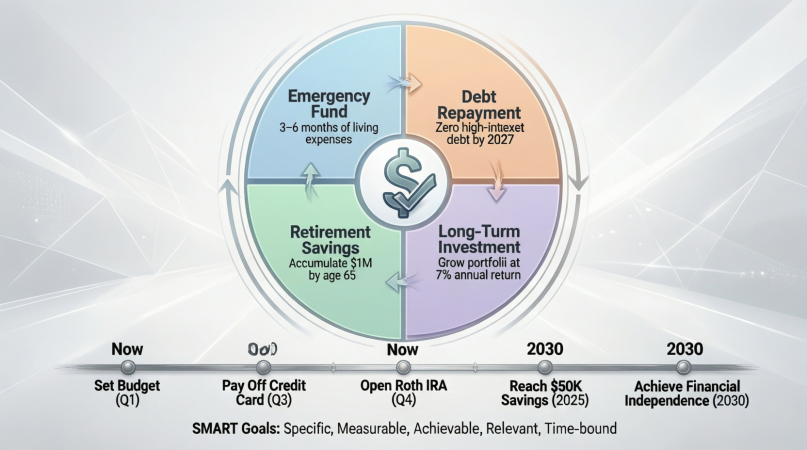
Goals give direction to your money. Short term goals may include saving for a trip or clearing debt. Long term goals often include buying property or retirement planning.
Make sure goals are realistic and time based. Clear goals make financial planning tips easier to apply and follow consistently.
Step 3: Create a Practical Budget
A budget is the foundation of financial planning. It helps you assign a purpose to every unit of income. When you budget, you reduce waste and improve savings.
Use a simple structure. Allocate money for needs, wants, and savings. Adjust the budget as your income or priorities change.
Step 4: Build an Emergency Fund
An emergency fund protects you from unexpected expenses. Ideally, save three to six months of basic living costs.
Start small if needed. Even a modest emergency fund can prevent debt during difficult times. This is one of the most important financial planning tips.
Step 5: Manage and Reduce Debt
Debt can slow down financial progress. Focus on paying high interest debt first while making minimum payments on others.
Avoid unnecessary borrowing. Controlled debt management improves cash flow and reduces stress significantly.
Step 6: Start Saving and Investing Early
Saving is essential, but investing helps money grow. Begin with low risk options and increase exposure gradually as knowledge improves.
Consistency matters more than amount. Regular contributions build wealth over time through patience and discipline.
Step 7: Protect Yourself With Insurance
Insurance reduces financial risk. Health, life, and asset insurance provide support during uncertain times.
Choose coverage based on actual needs. Proper protection is a key part of smart financial planning.
Step 8: Review and Adjust Your Plan Regularly
Life changes, and so should your plan. Review finances at least once a year or after major life events.
Adjust goals and strategies as needed. Regular reviews keep your financial planning tips relevant and effective.
Benefits of Financial Planning Tips
- Better control over income and expenses
- Reduced financial stress and anxiety
- Improved savings and investment habits
- Clear direction for short and long term goals
- Stronger protection against emergencies
- Increased confidence in money decisions
- Better preparation for retirement
Disadvantages and Risks
- Requires time and consistent effort
- Poor planning can lead to wrong decisions
- Overconfidence may increase financial risk
- Market changes can affect investments
- Lack of discipline may reduce results
Common Mistakes to Avoid
One common mistake is not tracking expenses. Without tracking, budgets often fail. Another mistake is setting unrealistic goals that lead to frustration.
Many people also ignore emergency funds. This forces them into debt during crises. Delaying investments is another issue, as time is a powerful factor in growth.
Avoid copying others blindly. Everyone’s financial situation is different. Finally, failing to review plans regularly can make them outdated and ineffective.
FAQs
What are financial planning tips for beginners?
Financial planning tips for beginners focus on budgeting, saving, reducing debt, and setting simple goals. Starting small and staying consistent is the key to success.
How much should I save each month?
A common guideline is saving at least twenty percent of income. However, even smaller amounts are useful if saved regularly.
Is financial planning only for high income earners?
No, financial planning is for everyone. Even low income earners benefit from budgeting and saving habits.
When should I start financial planning?
The best time to start is now. Early planning gives more time for growth and reduces future pressure.
Are investments risky for beginners?
All investments carry some risk. Beginners should start with low risk options and learn gradually.
How often should I review my financial plan?
Review your plan at least once a year or whenever there is a major change in income or lifestyle.
Expert Tips and Bonus Points
One expert tip is to automate savings. Automation removes temptation and builds consistency. Another useful tip is to increase savings whenever income rises instead of increasing expenses.
Keep learning about money. Financial knowledge improves decision making. Maintain flexibility in your plan, as rigid plans often fail during change.
Focus on habits rather than perfection. Small improvements over time create strong financial foundations. Lastly, patience is critical. Financial planning tips work best when followed steadily over the long term.
Conclusion
Financial planning tips provide a clear path toward stability and confidence. They help you understand money, control spending, and prepare for the future with purpose. Without planning, financial life often feels uncertain and stressful. With planning, it becomes structured and manageable.
This guide showed that financial planning is not complicated. It starts with awareness, goal setting, and simple budgeting. Over time, saving, investing, and protecting yourself become natural habits. These habits create long lasting benefits beyond just money.
Financial planning also brings peace of mind. Knowing that you are prepared for emergencies and future goals reduces worry. It allows you to focus on personal growth, family, and career without constant financial fear.
No matter your income level, financial planning tips can improve your life. Start where you are, use what you have, and stay consistent. Small steps taken today lead to strong financial security tomorrow. With patience and discipline, financial planning becomes a powerful tool for a better and more confident future.
