

Introduction
Smart spending strategies are essential in today’s fast-changing world where expenses keep rising and income often feels limited. Many people work hard but still struggle to save money or reach their financial goals. The main reason is not always low income. Instead, it is often poor spending habits and lack of planning. When you learn how to spend wisely, you gain control over your finances and reduce stress.
Smart spending strategies help you understand where your money goes and how to use it more effectively. They are not about living a boring life or cutting all enjoyment. Rather, they focus on making thoughtful choices that match your priorities. With the right approach, you can enjoy life while still saving for the future.
For beginners, managing money may feel confusing or overwhelming. For intermediate readers, the challenge is often staying consistent. This guide is designed for both groups. It explains smart spending strategies in simple language with clear steps and real-life examples. You will learn how to plan your expenses, avoid common mistakes, and build habits that support long-term financial stability.
By the end of this article, you will have a complete understanding of smart spending strategies and how to apply them in daily life. These strategies can help you save more, reduce debt, and feel confident about your financial decisions.
What is Smart Spending Strategies?
Smart spending strategies refer to practical methods and habits that help you use money wisely. They focus on intentional spending rather than impulsive buying. The goal is to make sure every rupee or dollar you spend adds real value to your life.
These strategies involve planning, tracking expenses, and understanding the difference between needs and wants. Smart spending strategies encourage you to think before spending and ask whether a purchase truly supports your goals. Over time, this mindset helps you avoid waste and make better financial choices.
Smart spending does not mean being cheap. It means being conscious and responsible with money. For example, choosing quality products that last longer instead of buying cheap items repeatedly is a smart strategy. Similarly, comparing prices before making a purchase is another simple but effective approach.
In short, smart spending strategies help you align your spending with your income, values, and long-term plans. They turn money from a source of stress into a useful tool for building a secure future.
Why is Smart Spending Strategies Important?
Smart spending strategies are important because they create financial balance. Without them, money can disappear quickly, leaving you unprepared for emergencies or future needs. Many people earn well but still live paycheck to paycheck due to poor spending habits.
One major reason smart spending strategies matter is financial security. When you spend wisely, you can save regularly and build an emergency fund. This protects you from unexpected expenses such as medical bills or sudden job loss.
Another reason is reduced financial stress. Knowing that your expenses are under control brings peace of mind. You no longer worry about bills or debts because you have a clear plan. Smart spending strategies also help you avoid unnecessary loans and high-interest debt.
Finally, these strategies support long-term goals. Whether you want to buy a home, start a business, or retire comfortably, smart spending helps you move closer to those goals. It ensures that your money works for you instead of against you.
Detailed Step-by-Step Guide
Step 1: Understand Your Income Clearly
The first step in smart spending strategies is knowing exactly how much money you earn. This includes salary, side income, and any other sources. Write down your total monthly income after taxes.
When you clearly understand your income, you can plan realistic expenses. Many people overspend simply because they overestimate how much they earn. Being honest at this stage sets a strong foundation.
Step 2: Track All Your Expenses
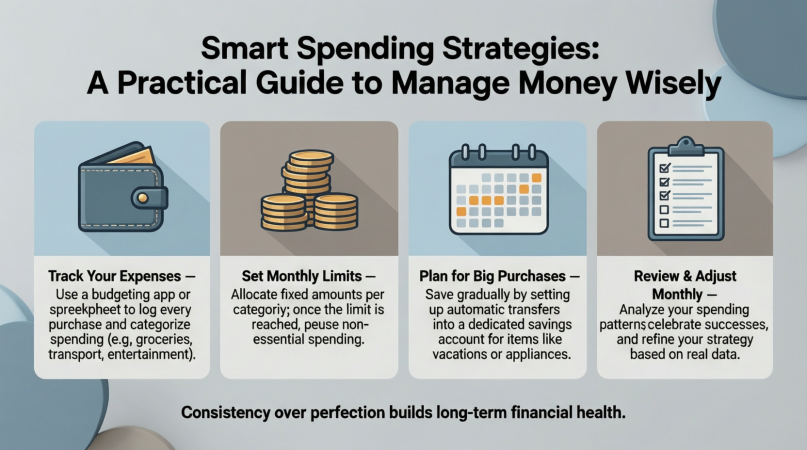
Expense tracking is a core part of smart spending strategies. For one month, note every expense, no matter how small. This includes groceries, transport, subscriptions, and daily snacks.
Tracking shows patterns in your spending. You may discover that small daily expenses add up to a large amount. Once you see where your money goes, it becomes easier to control it.
Step 3: Separate Needs from Wants
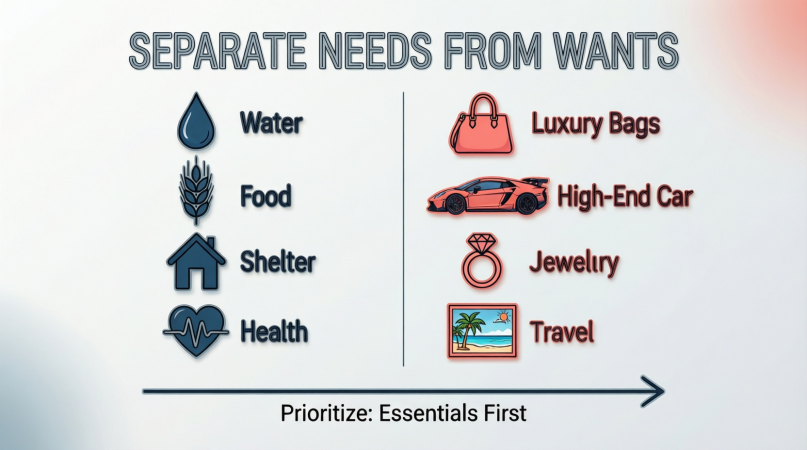
This step helps you make better decisions. Needs are essentials such as food, rent, utilities, and basic transport. Wants are things that improve comfort but are not necessary, like dining out or entertainment.
Smart spending strategies encourage you to prioritize needs first. This does not mean eliminating wants completely. It means managing them wisely and within limits.
Step 4: Create a Practical Budget
A budget is a spending plan based on your income and priorities. Divide your income into categories such as essentials, savings, and personal spending.
Your budget should be realistic and flexible. Smart spending strategies work best when a budget supports your lifestyle rather than restricting it too much. Review and adjust it regularly.
Step 5: Set Clear Financial Goals
Goals give direction to your spending. Short-term goals may include saving for a trip or paying off a small debt. Long-term goals could be buying a home or retirement planning.
When you have clear goals, smart spending strategies become easier to follow. Every spending decision is guided by whether it supports your goals.
Step 6: Reduce Unnecessary Expenses
Look at your expense list and identify areas to cut back. Cancel unused subscriptions, reduce impulse purchases, and avoid frequent takeout meals.
Reducing unnecessary expenses does not lower your quality of life. Instead, it frees up money for things that matter more. This is a key principle of smart spending strategies.
Step 7: Plan Before Major Purchases
Before buying expensive items, take time to research. Compare prices, read reviews, and consider alternatives. Avoid emotional buying decisions.
Planning major purchases helps you avoid regret and save money. This step strengthens your overall smart spending approach.
Step 8: Save First, Spend Later
One powerful rule in smart spending strategies is paying yourself first. Set aside savings as soon as you receive income. Treat savings like a fixed expense.
This habit ensures consistent saving and prevents overspending. Over time, it builds a strong financial cushion.
Step 9: Use Cash and Digital Tools Wisely
Cash spending makes you more aware of money leaving your hands. Digital tools like budgeting apps help track expenses automatically.
Using both wisely improves control. Choose methods that suit your habits and make smart spending strategies easier to follow.
Step 10: Review and Improve Regularly
Financial situations change over time. Review your spending plan monthly and adjust as needed. This keeps your strategies relevant and effective.
Regular reviews help you stay disciplined and motivated. Smart spending is an ongoing process, not a one-time task.
Benefits of Smart Spending Strategies
- Helps you save money consistently
- Reduces unnecessary expenses
- Lowers financial stress and anxiety
- Improves control over personal finances
- Supports short-term and long-term goals
- Prevents debt accumulation
- Encourages mindful spending habits
- Builds financial confidence
Disadvantages / Risks
- Requires discipline and consistency
- May feel restrictive at first
- Takes time to track and plan expenses
- Needs regular review and adjustment
- Can be challenging during low-income periods
Common Mistakes to Avoid
Many people make mistakes when applying smart spending strategies. One common error is setting unrealistic budgets. Overly strict plans often fail because they are hard to maintain.
Another mistake is ignoring small expenses. Small daily spending may seem harmless, but it adds up over time. Failing to track these expenses weakens your strategy.
Impulse buying is also a major issue. Emotional spending can undo weeks of careful planning. Avoid shopping when stressed or bored.
Finally, not reviewing your plan is a mistake. Life changes, and your spending plan should change too. Regular reviews keep your strategy effective and relevant.
FAQs
What are smart spending strategies in simple terms?
Smart spending strategies are practical ways to use money wisely. They help you plan expenses, avoid waste, and focus on priorities. The goal is to make every spending decision meaningful and beneficial.
Can smart spending strategies work with a low income?
Yes, these strategies are especially helpful for low-income earners. By prioritizing essentials and cutting unnecessary costs, you can manage limited income more effectively and still save small amounts.
How long does it take to see results?
Results vary based on consistency and income level. Many people notice improvements within one to three months. Reduced stress and better control are often the first benefits.
Do smart spending strategies mean giving up enjoyment?
No, they do not remove enjoyment from life. They encourage balanced spending. You can still enjoy hobbies and treats, but within planned limits that support your goals.
Is budgeting necessary for smart spending?
Budgeting is a key part of smart spending strategies. It provides structure and clarity. Without a budget, it is harder to control expenses and track progress.
How often should I review my spending plan?
Review your spending plan at least once a month. Regular reviews help you adjust to changes and stay aligned with your financial goals.
Expert Tips & Bonus Points
One expert tip is to automate savings whenever possible. Automation removes the temptation to spend money meant for savings. This makes smart spending strategies easier to maintain.
Another tip is to practice delayed gratification. Wait at least 24 hours before making non-essential purchases. This simple habit reduces impulse buying.
Use the envelope method for categories where overspending is common. Assign a fixed amount and stop spending once it is used. This builds discipline over time.
Finally, focus on value rather than price. Sometimes spending slightly more on quality saves money in the long run. This mindset improves both spending and satisfaction.
Conclusion
Smart spending strategies are not about restricting your life. They are about creating balance, control, and confidence in how you manage money. When you spend with intention, your finances become more predictable and less stressful. You no longer wonder where your money went at the end of the month.
By understanding your income, tracking expenses, and setting clear goals, you build a strong financial foundation. Smart spending strategies help you avoid unnecessary debt and prepare for unexpected expenses. Over time, these habits lead to greater financial security and freedom.
The key to success is consistency. Small, regular actions create powerful results. Even simple changes, like planning purchases or saving first, can make a big difference. Remember that smart spending is a journey, not a destination.
As you apply these strategies, be patient with yourself. Adjust when needed and keep learning. With commitment and awareness, smart spending strategies can transform your financial life and help you achieve lasting peace of mind
